
Timing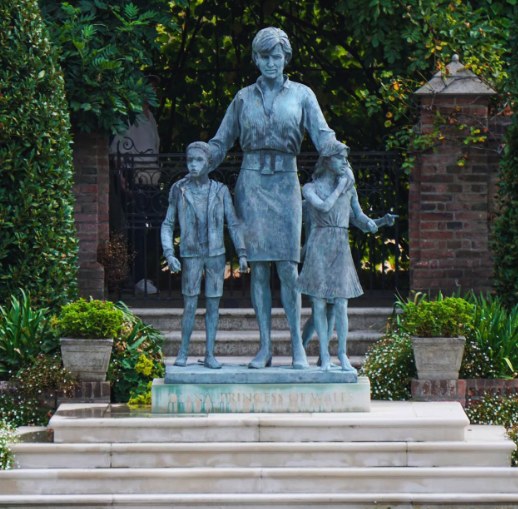
The Best Time to Visit Kensington Palace
In this guide
- Which days is Kensington Palace open?
- The two timetables, and the two hours between them
- Month by month: what changes
- When is it quietest?
- When is it busiest, and does it matter?
- When do the gardens look best?
- Which months carry something extra?
- What is the best time of day?
- Does the weather actually change the visit?
- The one thing that is open every single day
- Daylight, and why it matters more here than indoors
- What to book, and how far ahead
- School holidays, bank holidays and the weeks to avoid
- The month we would pick
Which days is Kensington Palace open?
Wednesday to Sunday. It is closed on Mondays and Tuesdays and from 24 to 26 December, and if you read one sentence here, read that one. A good number of visitors turn up on a Monday because a map listing told them it was open, and the gate is shut when they get there.
The park is a different matter. Kensington Gardens is a Royal Park, open daily from six in the morning until dusk, and everything in it is free. The Sunken Garden, Diana's statue, the Cradle Walk, the Round Pond and the Italian Gardens do not close when the palace does.
The two timetables, and the two hours between them
Ten in the morning all year. What moves is closing time, and it moves by two hours.
| Season | Open | Close | Last admission |
|---|---|---|---|
| 1 March – 31 October | 10:00 | 18:00 | 17:00 |
| 1 November – 28 February | 10:00 | 16:00 | 15:00 |
| 24 – 26 December | Closed | — | — |
Opening hours published by Historic Royal Palaces, checked August 2026.
A three o'clock winter cut-off is the one that catches people. If you are arriving in London in the afternoon between November and February, the palace is a next-morning proposition.
Month by month: what changes
January and February. Around 8°C, dark by five, and the emptiest the building gets. Winter hours apply. Snowdrops appear in the park in February. This is when the King's State Apartments are almost yours alone.
March, April and May. Summer hours start on 1 March and closing goes back to six. Daffodils, then blossom, then tulips in the Sunken Garden. The Last Princesses of Punjab opens on 26 March. May is about 18°C and the gardens are at their fullest.
June, July and August. 21 to 23°C and the busiest stretch. The rooms get warm by mid afternoon and there is very little shade in the park at midday. Book a morning slot; afternoons fill from June to September.
September, October and November. Crowds thin from the first week of September and the light on the east front in the late afternoon is the best of the year. October is London's wettest month. Winter hours return on 1 November and the Punjab exhibition ends on the 8th.
The best time to visit carries all twelve months in full, with the temperatures and what the garden is doing in each.
When is it quietest?
Two answers, and they compound.
- By month: January and February, by a distance. The building takes over 400,000 visitors a year and almost none of them come in the first eight weeks of it.
- By hour: ten to eleven, in any month. The first hour after opening is reliably the emptiest, and it is worth setting an alarm for.
Put them together and a Wednesday in early February at ten o'clock is the quietest you will find this palace. Travellers who came in low season describe it the same way without prompting: not crammed with people, easy to get around, take your time.
When is it busiest, and does it matter?
July and August, school holidays, and weekend afternoons. It matters less here than at larger palaces because your route is short and the rooms are generous, but two things do change.
The state rooms get warm, which July visitors mention often. And the Sunken Garden fills, because the Cradle Walk is the one designed vantage point and everybody wants the same photograph from it. Neither is a reason to avoid summer; both are reasons to arrive at ten rather than at two.
When do the gardens look best?
Twice a year, for different reasons.
- Late April to May. Tulips and blossom in the Sunken Garden, and the pleached limes of the Cradle Walk coming into leaf. This is the peak of the planting.
- Late September to mid October. The limes turn, the light drops low across the Round Pond, and the summer crowds have gone.
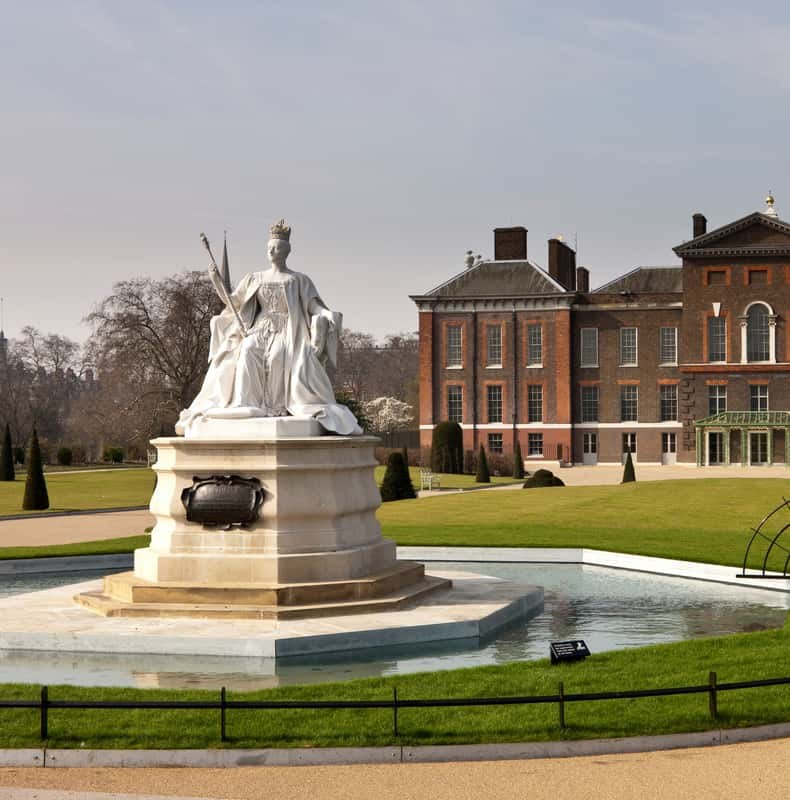
The Italian Gardens and the Long Water hold up in any month, and the Peter Pan statue and Physical Energy do not care what season it is. The gardens covers the whole park.
Which months carry something extra?
The palace publishes a small programme and the dates are worth planning around. Palace in the Park, running from mid-August to just before Christmas, is the one most visitors never hear about.
| What | When | Booked how |
|---|---|---|
| The Last Princesses of Punjab | 26 March – 8 November | Included with admission |
| The Jewel Room | All year | Included with admission |
| Palace in the Park | 19 August – 20 December, Wed and Sun | On-site ticket office only |
| The Duke Tour | 5 September – 19 December, Saturdays | On site |
| Relaxed sessions | 10 May and 15 November | Book ahead |
Dated 2026 programme published by Historic Royal Palaces, checked August 2026.
What's on has the times and the detail, including the wing that is closed until spring 2027.
What is the best time of day?
- 10:00–11:00. The quietest hour inside, every month. If you act on one line here, make it this one.
- 11:00–13:00. The busiest stretch in the state rooms. A good window for the park instead.
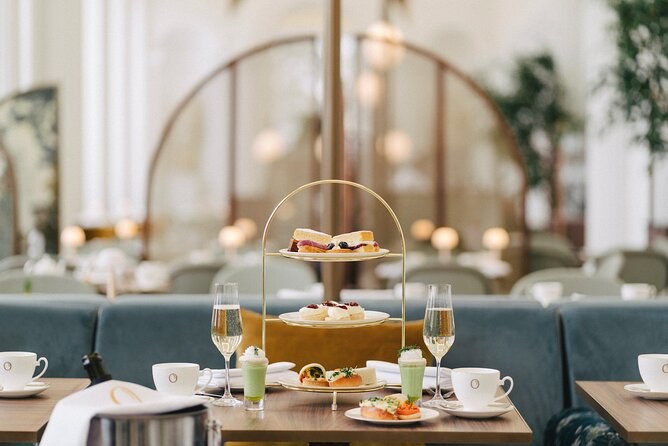
- 13:00–15:00. When the afternoon-tea trips sit down at the Orangery. Warm inside in summer.
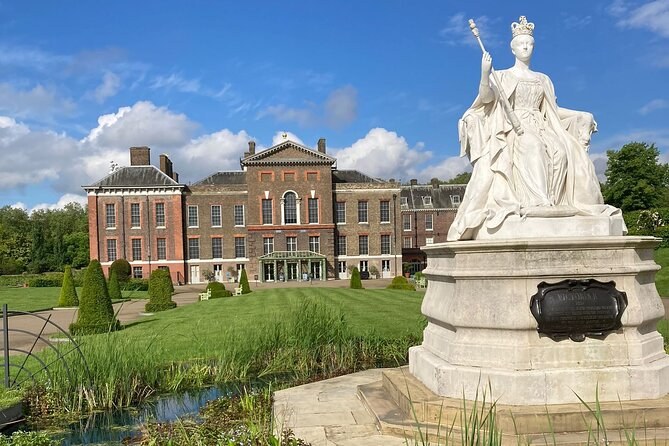
- 15:00–17:00. Summer only. The best light of the day on the east front, and quiet again. In winter you are already past last admission.
Does the weather actually change the visit?
Inside, no. The state rooms are the same in January as in July, which is the point of a palace. Outside it changes your day a great deal, because most of it is spent in a park with almost no shelter and every arrival is a walk of ten to fifteen minutes.
What it does not do is close anything on you. A traveller who had rain from start to finish in January still rated the day highly, because the palace half is under cover and your tea is indoors. Take an umbrella, do the rooms during the wet hour, and you have an inconvenience rather than a problem.
The one thing that is open every single day
Kensington Gardens is a Royal Park. It opens at six in the morning, closes at dusk, runs to 265 acres, and costs you nothing, in every month and on every day of the week including the two the palace is shut.
That changes the calculation more than anything else here. If your only free morning in London is a Monday, you have not lost the visit — you have lost the interior. The Sunken Garden, Diana's statue, the Cradle Walk, the Round Pond, the Italian Gardens, the Peter Pan statue and the Albert Memorial are all on the free side of the gate and all open.
Put the palace on the Wednesday and walk the park on the Monday, and you get both halves of the day for the price of one ticket. The gardens has the route.
Daylight, and why it matters more here than indoors
London's daylight swings by about nine hours between midsummer and midwinter, and this visit is half outdoors, so the swing lands on you rather than on the building.
In June the sun is up until well after nine, which means the palace closes at six and you still have three hours of park afterwards. In December the light has gone by about four, which is the moment the palace closes as well. Those are two completely different days built from the same ticket.
The practical rule is simple. From November to February, treat the palace as a morning and the garden as the middle of the day. From March to October, you can take them in either order, and the late afternoon on the east front is the best light the building gets.
What to book, and how far ahead
How far in advance you need to move depends on what you are booking and when.
| What | In winter | In summer |
|---|---|---|
| Palace entrance ticket | A day or two | A week for a weekend slot |
| A guided garden walk | A few days | Two to three weeks |
| A table at the Orangery via a tour | A week | Several weeks |
| The long Guard-change day | A week | Book well ahead; it caps at sixteen |
| Palace in the Park | Not bookable ahead | Not bookable ahead — ask at the desk |
Booking lead times, from what the listings themselves publish about advance bookings.
Every trip listed here refunds in full up to 24 hours before it starts, so booking early costs you nothing if the forecast turns or the plan changes. That is the argument for fixing a date sooner rather than later: you keep the slot and you keep the option.
School holidays, bank holidays and the weeks to avoid
English school holidays are the reliable predictor of a busy day here, and they are worth knowing if you are travelling from outside the country.
- Mid-February half term: one busy week inside an otherwise empty month.
- Easter, late March or April: two weeks, and the first genuinely crowded period of the year.
- Late May half term: a week, and it overlaps the best of the tulips.
- Late July to the end of August: six weeks, and the peak.
- Late October half term: one week, and the last busy stretch before Christmas.
Bank holiday Mondays are a special case here and a helpful one: the palace is closed on Mondays anyway, so the crowd goes elsewhere. A bank holiday Tuesday is also closed. The Wednesday after one is busier than a normal Wednesday, and the Thursday is back to normal.
The month we would pick
September. You get about 20°C, summer hours still running to six, the crowds gone by the first week, the limes starting to turn, and the low afternoon light on the east front that is the best photograph this building offers. The Duke Tour also starts on 5 September, so a Saturday that month gives you a guided walk that actually goes inside.
May is the next best, for the tulips and the long evenings. February is the one to pick if what you want is the King's State Apartments with nobody else in them, and it is the cheapest month to fly into London as well. Kensington Palace Tours compares every bookable trip, and each card says whether it runs on the days you are here.
Tours that fit this guide
Picked for what this guide covers, not for what sells.