
Kensington Palace Weather and the Best Time to Visit
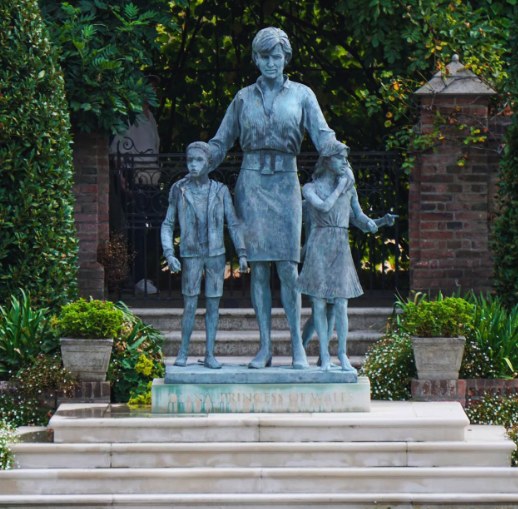
The building is indoors and the visit is not. Most of your day here is spent in a park with almost no shelter in it, and the palace itself keeps two different timetables, so the month you pick changes the day more than it would at most London attractions.
What the weather does to a visit here
It sets your closing time. From 1 March to 31 October the palace closes at six; from 1 November to 28 February it closes at four, with last admission an hour before either way. A January afternoon and a July afternoon are not the same length of day.
It decides the garden half. The Sunken Garden, the Round Pond, the Italian Gardens and the walk to any of them are all open to the sky. Most of the bookable trips here are garden walks, and rain moves them from pleasant to endured.
It changes how warm the rooms are. Reviewers in July note the state rooms getting hot by mid afternoon. In January they are the warmest place you will stand all day.
It does not close anything. Nothing here is weather-dependent in the way a sunrise trek is. One traveller had rain from start to finish in January and still rated the day highly, because the palace half is under cover and the tea is indoors.
Kensington Palace month by month
January
Cold and often grey, with highs around 8°C and lows near 3°C. The palace shuts at four and the light goes soon after. Rain is frequent rather than heavy, and the rooms are warm and dry. This is the emptiest month inside — if you want the King's Gallery to yourself, come now.
February
Much the same as January at around 8°C, with the driest rainfall of the winter. Snowdrops appear in the park before anything else does. Winter hours still apply, so plan on arriving by two. A short bright afternoon here is the best value the year offers.
March
Highs climb to about 11°C and the summer timetable starts on the first of the month, pushing closing back to six. Daffodils are out along the Broad Walk. The Last Princesses of Punjab opens on 26 March. Suddenly you can do the palace and the gardens in one afternoon.
April
Around 14°C, changeable, and the month showers are proverbial for. Tulips and blossom fill the Sunken Garden and the Cradle Walk begins to leaf up. Take a jacket you can carry. Easter weekend is the first genuinely busy period of the year.
May
About 18°C and reliably pleasant, with long evenings and everything in the park in growth. The Sunken Garden is at its fullest. Half term arrives at the end of the month. This is the month most Londoners would tell you to pick.
June
Highs near 21°C and the longest days of the year, though the palace still closes at six. The Orangery terrace is at its best. The Queen's State Apartments closed on 15 June 2026. Book a morning slot: afternoons fill from here to September.
July
Around 23°C and the busiest month, with the state rooms warm by mid afternoon, which is what the July feedback describes. Rain is light when it comes. The gardens carry very little shade at midday. Come at ten, do the palace first, and take the park in the evening.
August
The other 23°C month, and the wettest of the summer, though the showers are short. School holidays keep the playground full. Palace in the Park starts on 19 August. Weekday mornings are noticeably quieter than weekends all month.
September
Highs of about 20°C, the crowds thin from the first week, and the light on the east front in the late afternoon is the best of the year. The Duke Tour begins on 5 September. If you can only come once, come in September.
October
Around 16°C and the wettest month in London, with the limes of the Cradle Walk turning. Summer hours run to the 31st, so you still get a six o'clock close. Take an umbrella and use the palace for the wet hour. Half term brings a short busy week.
November
About 11°C, and winter hours begin on the first: closing at four, last admission at three. The Punjab exhibition ends on 8 November and the relaxed session runs on the 15th. Plan a morning — an afternoon arrival leaves very little time.
December
Back to around 8°C, dark by four, and the palace closed from the 24th to the 26th. Palace in the Park and the Duke Tour both run to the third week. The Jewel Room is a good place to be on a wet afternoon. Book ahead: December weekends are busier than the weather suggests.
Temperatures are long-term London averages rounded to the nearest degree, not a forecast. Palace opening dates and event dates are Historic Royal Palaces' own, checked in August 2026.
The seasons, and which one you want
| Season | Typical high | Palace hours | Crowds | What the garden is doing |
|---|---|---|---|---|
| Winter (Dec–Feb) | 8°C | 10:00–16:00 | Lightest | Bare limes, snowdrops from February |
| Spring (Mar–May) | 11–18°C | 10:00–18:00 | Building | Daffodils, blossom, tulips in the Sunken Garden |
| Summer (Jun–Aug) | 21–23°C | 10:00–18:00 | Heaviest | Full planting, no shade at midday |
| Autumn (Sep–Nov) | 11–20°C | Both timetables | Thinning fast | Turning limes on the Cradle Walk |
Best time of day
- 10:00–11:00: the emptiest hour in the King's State Apartments, every month of the year. If you only take one thing from this page, take this.
- 11:00–13:00: the busiest stretch inside. A good window for the gardens instead.
- 13:00–15:00: when most afternoon-tea tours sit down at the Orangery. Warm inside in summer.
- 15:00–17:00: summer only, and the best light of the day on the east front. In winter you are already past last admission.
What to bring, by season
All year: shoes you can walk a mile in, and photo identification matching the lead traveller's name if you hold an entrance ticket.
Winter: a warm layer for the park and something lighter to carry once you are inside, because the rooms are heated.
Summer: water and a hat. There is very little shade between the gates and the palace, and the tea tours walk before they sit.
Any wet month: a compact umbrella. Every route to the door is outdoors and none of them is more than fifteen minutes, so rain is an inconvenience rather than a problem.
Frequently asked questions
Does the weather change what you can see?
Inside, no — the state rooms are the same in January as in July. Outside it changes everything, because the gardens are most of the day for most visitors and there is very little shelter in them.
When is Kensington Palace quietest?
January and February inside, and weekday mornings all year. The first hour after the ten o'clock opening is reliably the emptiest, whatever the month.
Is winter worth it?
Yes, if you come in the morning. You get the King's State Apartments almost to yourself, and the four o'clock close is only a problem if you arrive late.
What should I wear?
Shoes you can walk a mile in, and a layer you can carry. Every arrival crosses open park, and the tea tours walk for the best part of an hour before you sit down.
When do the gardens look best?
April and May, for the tulips and blossom in the Sunken Garden. Late September to mid October is the other one, when the limes along the Cradle Walk turn and the summer crowds have gone.
Which month should I book?
September, if the choice is free: about 20°C, summer hours still running, and the summer crowds gone. May is the next best.
Picked a month?
Every trip here refunds in full up to 24 hours ahead, so booking a date early costs nothing if the weather turns. The comparison shows which run on which days.
For the gardens themselves, the gardens covers every named thing in the park, what's on carries the dated programme, and plan your visit has the hours and prices in full. Kensington Palace ticket prices compares every bookable trip.